How a mind becomes structured
The opening chapter examines learning, experience, and the organization of meaning.
Two ways to read
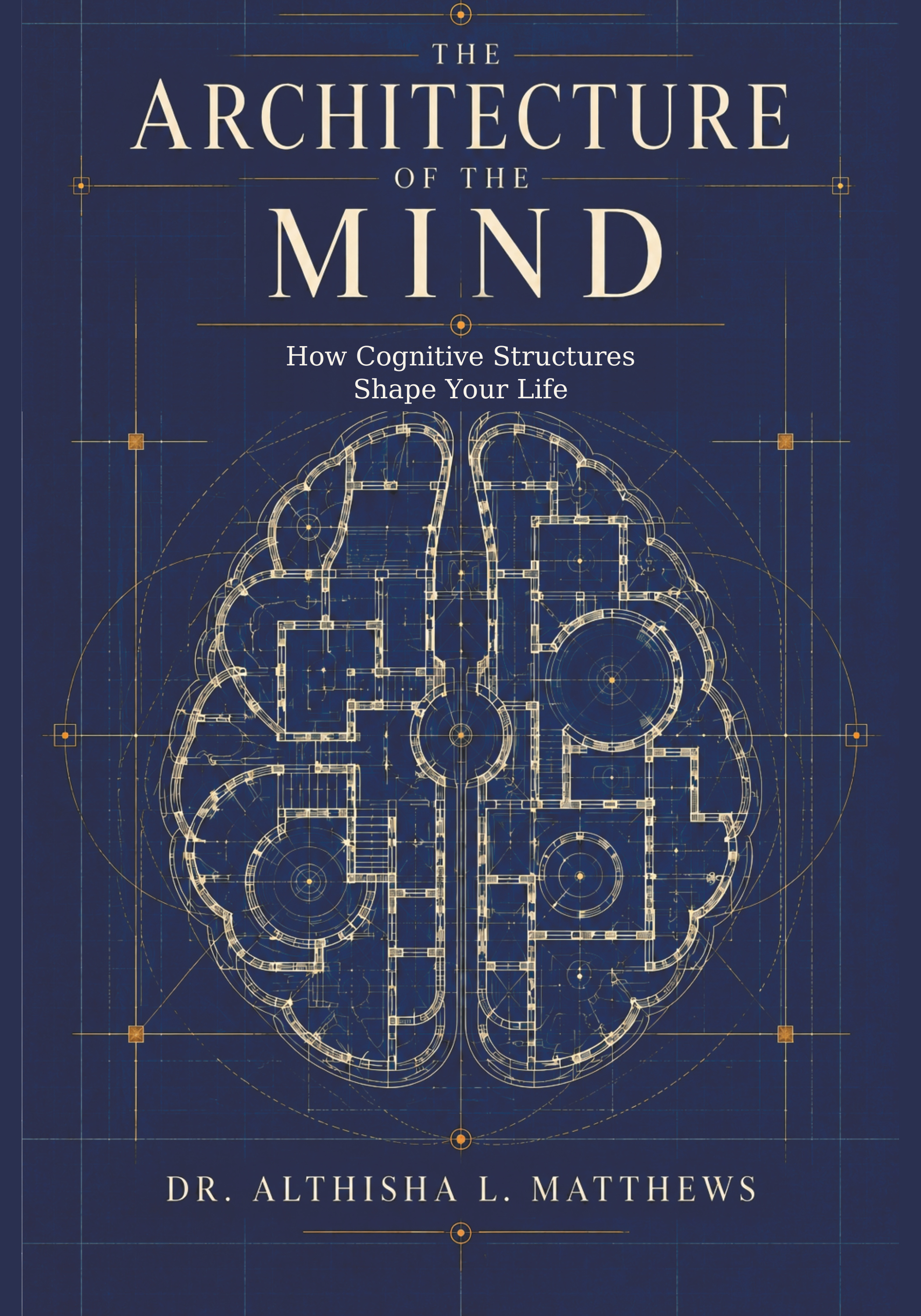
The paperback brings the ideas to the page. The EPUB offers reflowable text for a compatible reading app.
$15.99 USD
EPUB · Reflowable text
Checking secure ebook checkout…
Digital edition: EPUB file for a compatible reading app. After confirmed payment, download access lasts 30 days and includes up to 5 downloads. The downloaded file is yours to keep; the 30-day window limits new downloads, not reading. Save your order ID and recovery code to restore access on another device. Keep the code private. Paperback purchases are handled by AbeBooks; retailer pricing and shipping apply.
Your recovery code is shown here once. Save both fields privately; they restore the same order, not a new purchase.
Need help with an order? Contact us about your book order. The contact page prepares an email draft for you to send. Include your order ID, never your recovery code or card details.
The book examines the interactions among attention, memory, expectation, emotion, language, identity, and context. It invites readers to question recurring interpretations and consider alternative explanations.
The opening chapter examines learning, experience, and the organization of meaning.
The next chapter explores how existing expectations can influence what becomes salient and how ambiguity is interpreted.
The third chapter examines belief networks, structural depth, connectedness, identity, and the possibility of revision.
A thought is content; architecture concerns the organization of connected meanings. The building language is a metaphor.
The manuscript distinguishes a description of what happened from a conclusion about who a person is.
The book is related to ALM-CST; it is not a separately validated framework. Its discussion moves from the formation of meaning to perception and belief. Experience may shape organization, and organization may influence later experience. The Temporal Science doctrine also identifies interpretation and pattern recognition as a conceptual bridge to this writing, while the projects retain their distinct questions.
Paperback and EPUB ebook editions are listed above. Ebook purchase and private download access are available through the edition panel above. Paperback purchases are handled by AbeBooks; retailer pricing and shipping apply. The displayed cover includes the current subtitle. Its integrative framework is conceptual, not a validated diagnostic tool, and must remain distinguishable from established findings in psychology and neuroscience. This page is an overview; the ebook is delivered privately after confirmed payment, and no clinical outcome is promised.
This overview makes no claim of peer-reviewed validation, demonstrated efficacy, or guaranteed outcomes. ™ indicates a claimed trademark, not verified registration.